How to Become an Esthetician: A Complete Step-by-Step Career Guide
What I Wish I Knew Before Starting a Career in Esthetics
If you're thinking about becoming an esthetician, you probably have a lot more questions than simply:
"How do I get my esthetician license?"
You may also be wondering:
How long does esthetician school take?
How much does it cost?
Can estheticians actually make good money?
What should I look for in an esthetics school?
What happens after graduation?
Can I work in a med spa?
Should I specialize?
Can I eventually open my own business?
And perhaps the biggest question:
Is becoming an esthetician actually worth it?
I'm Erica Roybal, an esthetics educator, entrepreneur, permanent makeup artist, author, and founder of Denver Dream Medspa and Colorado Aesthetics Academy.
I've experienced this industry as a student, provider, artist, educator, employer, and business owner.
And if there is one thing I wish more prospective estheticians understood, it is this:
Getting an esthetics license is relatively straightforward. Building an exceptional career with that license requires much more.
This guide will walk you through both.
What Is an Esthetician?
An esthetician is a licensed skincare professional trained to perform cosmetic services intended to improve the appearance and condition of the skin within the scope allowed by their state.
Depending on state law, an esthetician's work may include services such as:
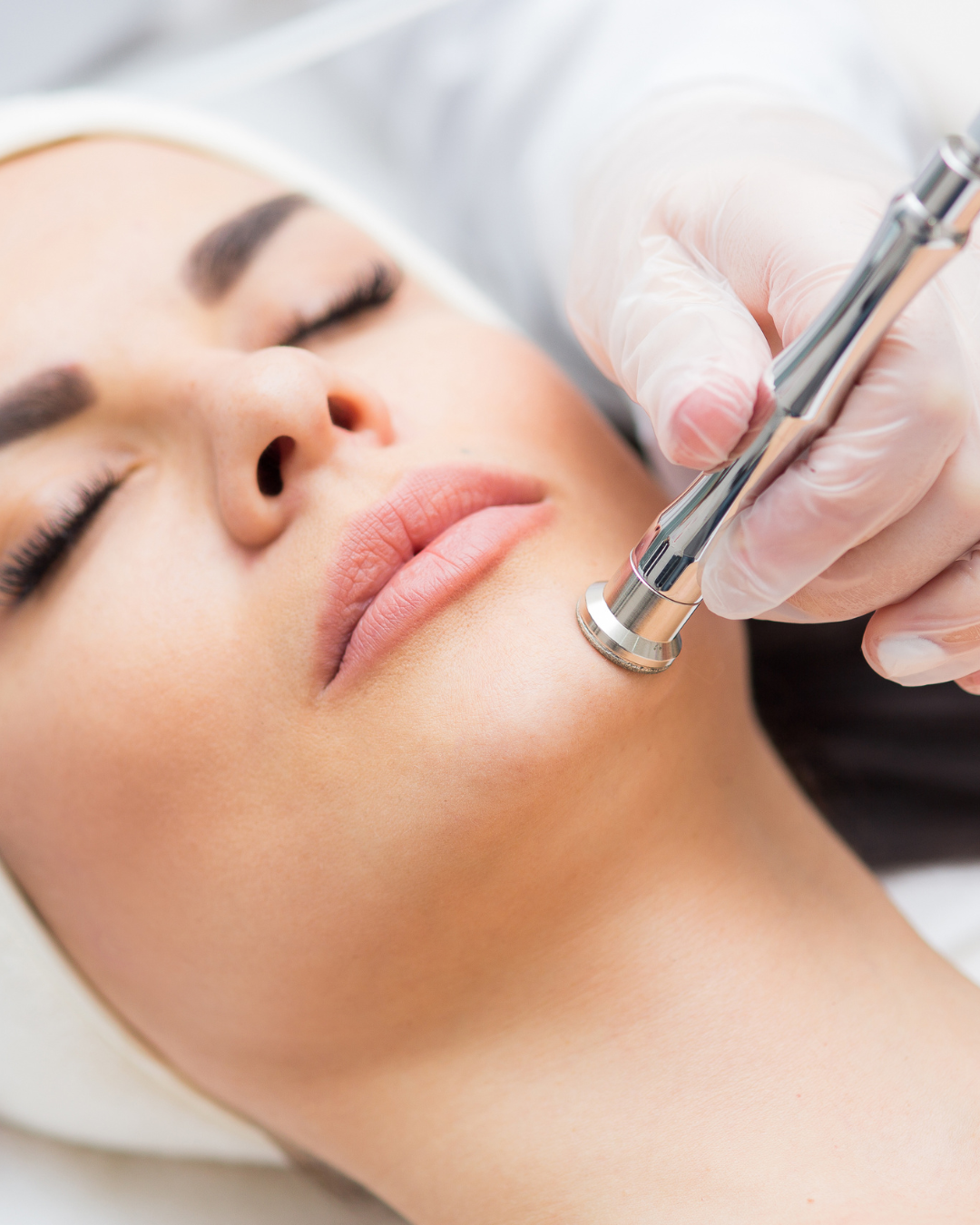
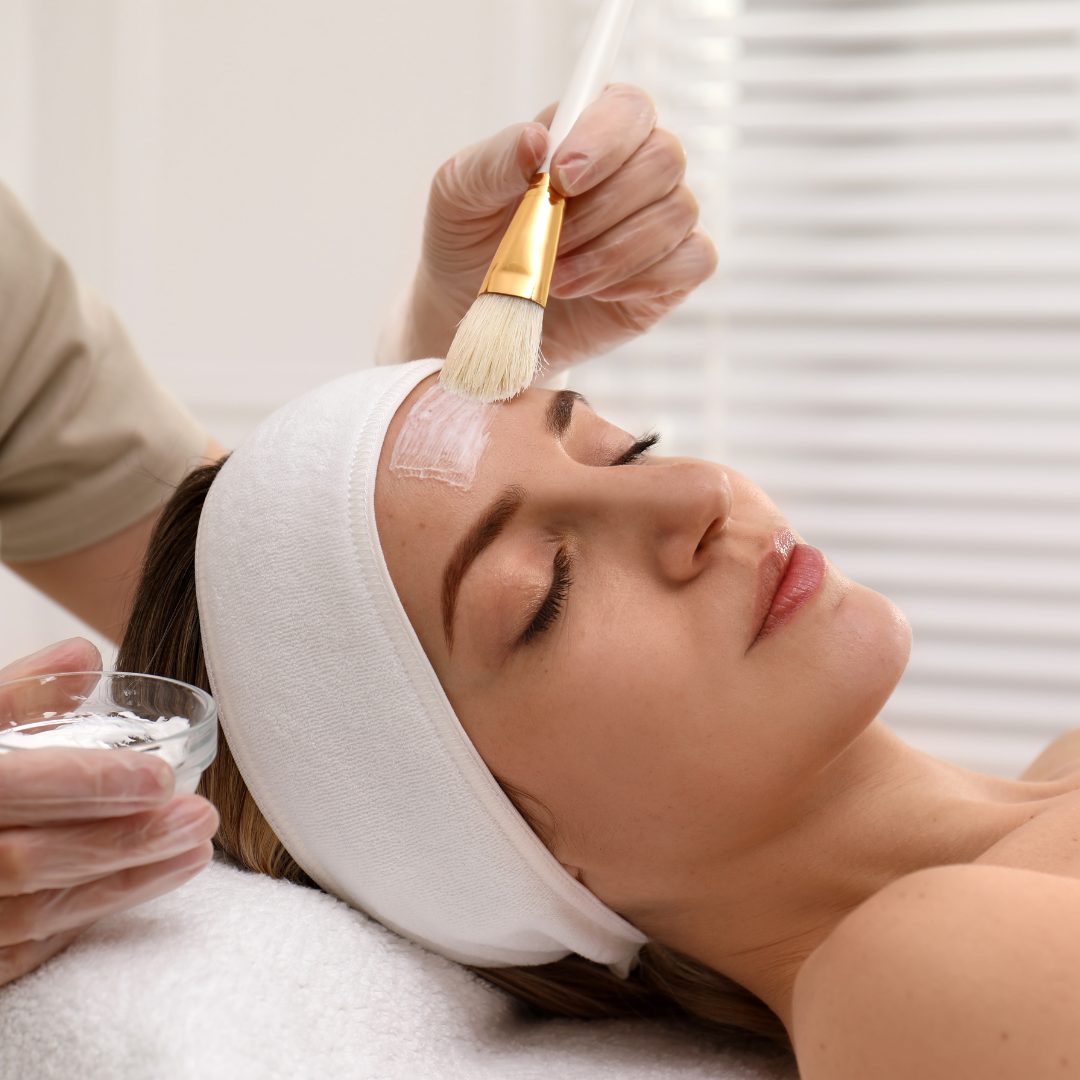
Facials
Skin analysis
Cleansing and exfoliation
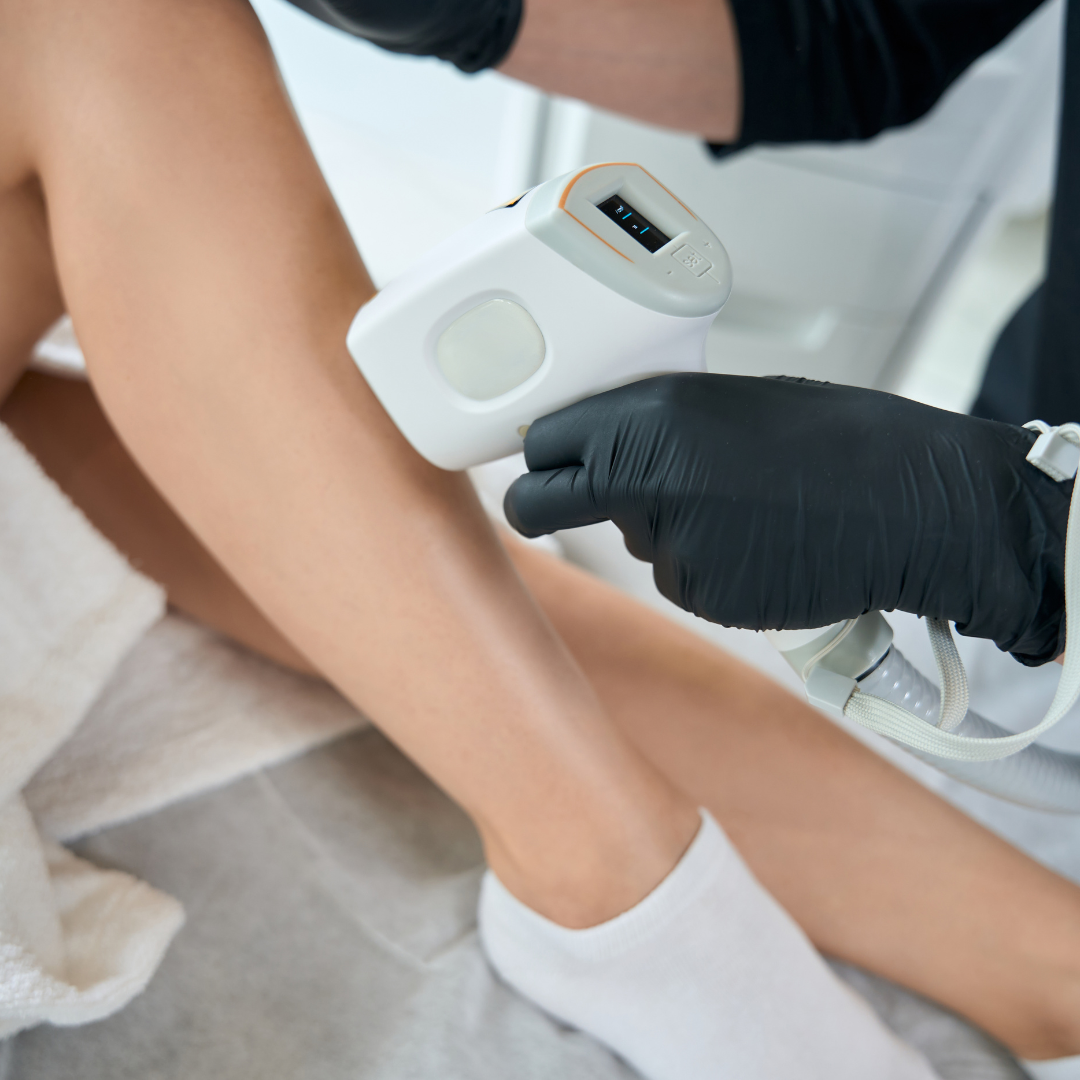
Hair removal
Waxing
Makeup application
Brow and lash services
Product recommendations
Superficial skin treatments
Other permitted aesthetic services
Some estheticians later pursue additional education or work in environments that expose them to advanced aesthetic technologies.
However, this is important:
Your esthetician license does not automatically authorize every service you see performed in a med spa.
Scope-of-practice laws vary by state, and some treatments require additional licensing, training, medical delegation, supervision, or another professional credential.
Before investing in any advanced certification, always verify what you are legally permitted to perform where you live.
How Do You Become an Esthetician?
For most people in the United States, the process looks roughly like this:
1. Research Your State's Licensing Requirements
2. Enroll in an Approved Esthetics Program
3. Complete Your Required Education and Practical Training
4. Graduate From Esthetics School
5. Complete Required Licensing Examinations or Other State Requirements
6. Apply for Your Esthetician License
7. Begin Building Professional Experience
8. Continue Your Education and Develop a Specialty
The details differ from state to state, so your first stop should always be the licensing authority where you plan to practice.
Step 1: Make Sure Esthetics Is Actually the Career You Want
Before enrolling in school, I want you to think beyond the treatment room.
Social media often portrays esthetics as:
Beautiful treatment rooms.
Perfect skin.
Relaxing facials.
Flexible schedules.
Big tips.
Before-and-after photos.
And sometimes claims about six-figure income.
Those things may be part of someone's career.
But they are not the whole career.
Esthetics is a service profession.
That means you will work directly with people.
You may deal with:
Nervous clients
Unrealistic expectations
Scheduling issues
Cancellations
Complaints
Rebooking
Product recommendations
Cleaning
Disinfection
Documentation
Retail sales
Long days
Evenings or weekends
Slow periods while you're building clientele
You also need to be comfortable physically interacting with clients.
You'll examine skin closely.
You'll touch faces and bodies.
You'll work around acne, hair, sweat, oils, bodily fluids, and medical histories.
If that sounds uncomfortable, you should understand that before you invest thousands of dollars in school.
Who Usually Thrives in Esthetics?
Some of the strongest estheticians I've worked with tend to have a combination of qualities.
They are:
Curious
They want to understand skin rather than simply memorize a facial protocol.
Detail-oriented
Tiny details matter in sanitation, consultations, treatments, and client experience.
Comfortable with people
You do not need to be an extrovert, but you do need to communicate well.
Coachable
This industry changes constantly. You need to be willing to learn.
Reliable
Clients and employers need to know you'll show up prepared.
Service-oriented
A successful appointment isn't about showing how knowledgeable you are. It's about helping the person in front of you.
Motivated
Early in your career, clients may not automatically appear on your schedule.
You'll have to build.
Step 2: Research Your State's Esthetician Requirements
Esthetician licensing is regulated primarily at the state level.
That means the number of training hours, examination process, application requirements, allowable services, and renewal requirements can differ depending on where you live.
Before choosing a school, search for your state's official:
Board of Cosmetology
Barber and Cosmetology Board
or equivalent professional licensing agency.
Do not rely exclusively on TikTok, Reddit, another esthetician, or even a school's marketing page for regulatory information.
Go to the actual state source.
How to Become an Esthetician in Colorado
Because I work and teach in Colorado, I want to explain our pathway specifically.
Under current Colorado regulations, an esthetician must complete a minimum of:
600 contact hours or 20 credit hours of approved esthetics education.
Colorado's required subject areas include education in:
Facials and skin care
Facial makeup
Hair removal
Laws, rules, and regulations
Management, ethics, interpersonal skills, and salesmanship
Disinfection, cleaning, and safe work practices
The current Colorado regulations allocate those 600 hours across these required educational categories.
Once you complete your approved education, Colorado candidates currently go through the state's testing and licensing process. PSI administers Colorado's esthetician theory and practical examinations.
Because licensing rules can change, I recommend checking Colorado's Division of Professions and Occupations and the current PSI candidate information before applying.
Step 3: Choose the Right Esthetics School
This is where I want you to slow down.
Not every esthetics school provides the same experience.
Two programs can both satisfy the minimum requirements for licensure while producing dramatically different student experiences.
Do not choose a school based only on:
Distance from your house
Tuition
Instagram
How pretty the building is
How quickly you can graduate
Those factors matter.
But they should not be the only factors.
Questions to Ask Before Choosing an Esthetics School
I would ask every school you are considering:
Is the program approved for licensure in my state?
This should be your first question.
How much actual hands-on practice will I receive?
Hours alone don't tell you how much time you'll spend performing services.
Will I work with real clients?
Working on classmates and mannequins can help develop skills, but supervised client experience teaches something different.
What treatments will I learn?
Ask for specifics.
What equipment will I have access to?
You don't need every device imaginable, but you should understand what your tuition gives you access to.
How many students share treatment space and equipment?
Class size can dramatically affect practical experience.
Who are the instructors?
Ask about their professional backgrounds.
Does the school teach business and career skills?
Technical ability is only part of building a career.
Does the school help with portfolios?
You'll need evidence of your work.
Does the school teach consultations?
This is one of the most important skills you'll use after graduation.
Does the school prepare students for licensing exams?
It should.
What happens if I need additional time?
Understand attendance and completion policies before enrolling.
Are supplies included?
Ask exactly what tuition does and doesn't cover.
What additional fees should I expect?
You want to understand your total investment.
Tour the School Before You Enroll
If possible, physically visit the school.
And if they allow it, visit when students are actually there.
Look around.
Are students engaged?
Are instructors accessible?
Are treatment areas clean?
Does the environment feel professional?
Are students actually practicing?
Can current students talk about what they're learning?
Pay attention to what you observe—not only what admissions tells you.
You're making an investment in your career.
Treat it like one.
Step 4: Understand What You'll Learn in Esthetics School
Your exact curriculum depends on your state's requirements and your school.
Generally, esthetics education builds a foundation in subjects such as:
Skin Science
You need to understand the structure and function of skin before you should be treating it.
Skin Analysis
Learning to observe the skin and gather client information is central to treatment planning.
Facials and Skin Treatments
You'll learn protocols for foundational skin services.
Hair Removal
This may include waxing and other methods allowed within your state's curriculum and scope.
Makeup
Many state curricula include cosmetic application.
Sanitation and Infection Control
This is not the boring part of school.
It is one of the most important parts.
Contraindications
You need to recognize when a service may not be appropriate.
Client Consultation
Good treatment results often begin before the treatment starts.
Business and Professional Skills
Professional communication, ethics, sales, and client service matter tremendously once you begin working.
What Esthetics School Cannot Completely Teach You
This is important.
Even an excellent school cannot manufacture years of experience.
School gives you:
Foundation.
Your career gives you:
Judgment.
You will still encounter skin you've never seen before.
Clients who communicate differently.
Unexpected treatment responses.
Difficult consultations.
Different products.
Different devices.
Different employers.
Different philosophies.
Your education should prepare you to begin practicing safely and professionally.
It should not make you believe you have nothing left to learn.
Step 5: Take School Seriously From Day One
If I could give new students one piece of advice, it would be:
Don't attend school to accumulate hours.
You're paying for an opportunity to practice while someone qualified is there to correct you.
Use it.
Volunteer to take clients.
Ask questions.
Practice consultations.
Photograph your work.
Ask instructors why.
Practice again.
If you struggle with something, do more of it—not less.
The student who simply completes 600 hours and the student who intentionally uses those 600 hours can graduate with very different levels of confidence.
Step 6: Start Building Your Portfolio While You're Still in School
Don't wait until graduation.
Begin documenting appropriate work during your education, with permission and according to school policies.
Your portfolio may eventually include:
Before-and-after photos
Facial results
Brow shaping
Waxing
Lash services
Makeup
Skin improvements over time
Other services you are properly trained and permitted to perform
Your photography matters.
Try to use:
Consistent lighting
Consistent angles
Neutral backgrounds
Similar distance
Clear focus
Minimal editing
Never alter treatment results.
Future employers and clients need to see your actual work.
Step 7: Prepare for Your Licensing Exams
Your school should prepare you for your state's requirements, but you should take personal responsibility for exam preparation.
Don't wait until your final week.
Regularly review:
Infection control
Safety procedures
Skin science
Contraindications
Procedures
State law
Professional standards
If your state requires a practical examination, practice the sequence repeatedly until it feels natural.
For Colorado candidates, PSI currently administers both a National Esthetician Practical and Theory examination.
Step 8: Apply for Your Esthetician License
After meeting your state's education and examination requirements, you'll complete the licensing process required by your jurisdiction.
Exact steps vary.
Depending on the state, this may involve:
School documentation
Examination results
Application forms
Fees
Identity documentation
Additional disclosures or requirements
Do not begin performing regulated services independently simply because you've graduated.
Graduation and licensure are not necessarily the same thing.
Wait until you have the authorization your state requires to practice.
Step 9: Decide What Kind of Esthetician You Want to Become
You do not need the final answer on graduation day.
But you should know your options.
Spa Esthetician
You may work in a day spa or skincare-focused environment performing facials, waxing, skin treatments, and other services.
This can be an excellent way to develop:
Client communication
Treatment flow
Retail skills
Rebooking
Hands-on experience
Med Spa Esthetician
Some estheticians want to work in medical-aesthetics environments.
A med spa may expose you to more advanced treatment planning, devices, skin concerns, and multidisciplinary teams.
However:
Working inside a med spa does not automatically expand your legal scope of practice.
Always understand what your state permits and what additional credentials, supervision, or delegation may be required.
Acne-Focused Esthetician
Some estheticians build strong careers around helping clients manage acne-prone skin through appropriate aesthetic care, education, and home-care support.
Corrective Skincare Specialist
You may focus heavily on:
Pigmentation
Texture
Aging concerns
Long-term treatment plans
Brow or Lash Specialist
Some providers build highly successful businesses around a smaller category of services.
Permanent Makeup Artist
Permanent makeup can become an entirely different specialization involving techniques such as brows, eyeliner, and lip blush.
Requirements vary significantly by location.
Cosmetic Laser Professional
Advanced laser education can open additional career pathways where legally permitted.
But again:
Taking a course does not override state law.
Make sure your credentials and practice environment meet all regulatory requirements.
Esthetics Educator
Experienced professionals may eventually move into instruction.
Teaching is a different skill from performing services and requires the appropriate qualifications.
Manager or Director
Some estheticians discover that leadership, operations, or sales are where they excel.
Business Owner
You may eventually open:
A suite
A studio
A spa
An education business
Another aesthetic company
But ownership is not automatically the "next level."
We'll come back to that.
Step 10: Get Your First Esthetician Job
For many new graduates, this is the stage that feels hardest.
You have a license.
Now everyone seems to want experience.
How do you get experience if nobody will hire you without experience?
You make yourself easier to hire.
Build a professional résumé.
Build a portfolio.
Practice interviewing.
Know your products.
Understand consultations.
Research the company before the interview.
Show up early.
Dress professionally.
Be coachable.
And be willing to begin somewhere that helps you develop.
What I Look for When Hiring an Esthetician
I've sat on the employer side of this process.
And I can tell you:
I am not only evaluating treatment technique.
I'm evaluating whether I would trust you with a client.
I pay attention to:
Professionalism
Communication
Sanitation
Confidence without arrogance
Coachability
Reliability
Critical thinking
Treatment knowledge
Client interaction
Willingness to learn
One of the best things you can say when you genuinely don't know an answer is:
"I'm not sure, but I would want to verify that before advising the client."
That's much better than confidently giving an incorrect answer.
Your First Job Should Help Build Your Second Job
This is one of my strongest pieces of career advice.
Don't evaluate your first position only by asking:
"What will I make per hour?"
Also ask:
"What will I know after working here for a year?"
You may benefit enormously from an environment that offers:
Strong mentorship
High client volume
Good training
Exposure to different skin concerns
Experienced providers
Professional systems
Opportunities to advance
Early career experience compounds.
Choose environments that make you better.
Step 11: Learn How to Build a Clientele
Once you're working, your next challenge begins.
Becoming licensed does not mean clients automatically know who you are.
You need to build relationships.
Your first goal shouldn't be becoming Instagram-famous.
It should be:
Get the person who booked once to book again.
That means improving:
Consultation
Treatment quality
Client experience
Communication
Rebooking
Follow-up
Trust
How New Estheticians Get Clients
There is no single method, but these consistently matter.
Deliver a Great First Appointment
People remember how you make them feel.
Educate Without Overwhelming
Clients want to understand their skin—not attend a chemistry lecture.
Rebook Intentionally
Don't end with:
"Come back whenever."
Tell them what you recommend next and why.
Ask for Reviews
Appropriate client reviews can be tremendously valuable for local providers.
Build Referral Relationships
One good client can introduce you to many others.
Document Your Results
Your portfolio becomes marketing.
Create Useful Content
Answer the questions real clients ask you.
Become Known for Something
Specialization eventually makes marketing easier.
Step 12: Learn Ethical Sales
A surprising part of esthetics is that you will probably need to become comfortable selling.
That may involve:
Retail products
Additional treatments
Packages
Memberships
Treatment plans
But here's how I teach it:
Don't sell what the client doesn't need.
Recommend what genuinely supports the goal they told you they have.
If someone is concerned about dry skin and their home routine is contributing to the problem, educating them about an appropriate product is not being pushy.
That's professional guidance.
Ethical sales sounds like:
"Based on what you told me, this is what I recommend and why."
Then allow the client to decide.One good client can introduce you to many others.
Document Your Results
Your portfolio becomes marketing.
Create Useful Content
Answer the questions real clients ask you.
Become Known for Something
Specialization eventually makes marketing easier.
Step 13: Keep Learning—but Stop Collecting Random Certifications
This industry loves certificates.
A new esthetician can easily spend thousands of dollars taking every class that appears on Instagram.
Don't.
Before taking advanced education, ask:
Is this within my legal scope?
Is this relevant to the career I'm building?
Is there demand for this service?
Will I actually be able to practice it?
Do I have access to the equipment?
Is the instructor qualified?
Is there hands-on education?
What happens after the course?
Will this skill realistically increase my value?
Advanced education can transform a career.
But strategic education beats collecting certificates.
Step 14: Develop a Specialty
You don't necessarily need a niche on day one.
I actually think broad experience early in your career can be valuable.
But eventually, ask:
What do I want people to know me for?
Maybe it's:
Acne
Mature skin
Brows
Advanced skincare
Permanent makeup
Laser hair removal
Pigmentation
A particular treatment category
Specialization can help you become:
The provider people seek out instead of simply the provider who has an opening.
That is a powerful career shift.
Step 15: Build a Personal Brand
Your personal brand is not a logo.
It is the reputation attached to your name.
If someone searches you online, what will they find?
Your brand is influenced by:
Your work
Client reviews
Photography
Education
Communication
Social media
Professional behavior
Expertise
Reputation
You do not need to become an influencer.
You want to become trusted.
Create content that helps people.
Explain treatments.
Answer questions.
Show your work.
Share what you're learning.
Develop a recognizable professional identity.
Eventually, clients should begin asking for you.
Step 16: Understand the Business Behind Esthetics
Even if you never own a business, learn basic business.
Understand:
Revenue
Average ticket
Rebooking
Retention
Retail
Commission
Productivity
Client acquisition
Expenses
Profit
Why?
Because the esthetician who understands how her work affects the business becomes more valuable.
And if you eventually become self-employed, this knowledge becomes essential.
How Much Do Estheticians Make?
This is one of the most searched questions about the career.
And it's also one of the easiest questions to answer badly.
The U.S. Bureau of Labor Statistics currently reports a 2025 median wage of $21.79 per hour, or $45,330 annually, for skincare specialists. The BLS projects employment in the occupation to grow 9% between 2025 and 2035, faster than the projected average for all occupations.
But there is an important limitation:
BLS wage statistics do not include self-employed workers, so national wage data cannot describe every esthetician's earning potential.
Real income can vary dramatically based on:
Location
Schedule
Experience
Client volume
Tips
Commission
Retail
Pricing
Specialization
Employment model
Personal clientele
Self-employment
Business ownership
Can Estheticians Make Six Figures?
Yes.
Some estheticians earn more than $100,000 annually.
But I would never tell someone considering school that becoming an esthetician means they will earn six figures.
A license does not create a six-figure income.
High earners often combine several advantages:
Technical skill
Strong clientele
Client retention
Specialization
Professional reputation
High-value services
Strategic compensation
Business knowledge
Personal branding
Entrepreneurship
I've written an entire guide specifically about this:
[READ: HOW TO BECOME A 6-FIGURE ESTHETICIAN →]
Is Esthetics a Good Career in 2026?
There are reasons to be optimistic about the profession.
The Bureau of Labor Statistics projects employment for skincare specialists to grow 9% from 2025 through 2035, compared with 3% for occupations overall. BLS projects roughly 14,200 openings per year on average during that period, including openings resulting from workers leaving the occupation.
But industry growth does not guarantee individual success.
There can still be substantial competition in local markets.
That's why your success depends on much more than simply entering a growing occupation.
You still need to become good.
Then become known.
How Long Does It Take to Become an Esthetician?
This depends primarily on:
Your state's required hours
Your school's schedule
Full-time vs. part-time attendance
Attendance consistency
Clinical-hour requirements
A full-time program can sometimes be completed in several months, while evening, weekend, part-time, or self-paced programs may take longer.
In Colorado
The current educational requirement is 600 contact hours.
At Colorado Aesthetics Academy, for example, our current 600-hour program offers daytime, evening, weekend, and self-paced formats because many of our students are balancing work, children, or career changes while attending school.
The best schedule isn't necessarily the fastest one.
It's the schedule you can realistically complete while still getting the education you need.
How Much Does Esthetician School Cost?
Tuition varies considerably based on:
State
School
Program length
Supplies
Books
Fees
Equipment
Financial-aid eligibility
Additional training
When comparing programs, ask for the total program cost, not only advertised tuition.
A cheaper program may become more expensive once additional fees are added.
A more expensive program isn't automatically better either.
Evaluate what you are actually receiving for the investment.
Can You Become an Esthetician Online?
This depends on your state.
Some jurisdictions may permit portions of theory education to be delivered through distance education, but esthetics is fundamentally a hands-on profession.
You should be cautious of any program implying that you can become a competent practicing esthetician solely by watching videos.
You need practical experience.
You need feedback.
You need someone to correct your technique.
You need interaction with real skin.
Convenience matters.
Competence matters more.
Do You Need a College Degree to Become an Esthetician?
Generally, esthetics is a postsecondary nondegree career pathway rather than a traditional four-year-degree profession.
The Bureau of Labor Statistics classifies the typical entry-level education for skincare specialists as a postsecondary nondegree award.
Specific admissions and licensing requirements still vary by state and school.
Can You Work in a Med Spa as an Esthetician?
Potentially, yes.
Many estheticians are interested in med spa careers because they want exposure to advanced aesthetics.
However, this requires nuance.
"Working at a med spa" and "being legally allowed to perform every treatment at a med spa" are not the same thing.
A medical aesthetics practice may offer procedures that fall outside an esthetician's independent scope.
Your allowed services depend on:
State law
Your credential
Your training
The treatment
Medical supervision or delegation requirements
Facility policies
If medical aesthetics is your goal, choose education and employers carefully.
What Is a Medical Esthetician?
You'll frequently see the phrase medical esthetician online.
In many places, however, "medical esthetician" is not a separate government-issued esthetician license.
It is often used informally to describe an esthetician working in a medical or advanced aesthetics environment.
Don't assume a course marketed as a "medical esthetician certification" automatically expands your legal scope.
Always verify the credential recognized by your state.
Should You Become an Esthetician or Cosmetologist?
These are different career paths.
Esthetics focuses primarily on skin and related aesthetic services.
Cosmetology generally includes a broader curriculum involving hair and other beauty disciplines in addition to skin.
Choose based on the work you actually want to perform.
If your goal is primarily skincare and aesthetics, an esthetics-focused education may make more sense.
If you want a broader beauty scope that includes hair, cosmetology may be more appropriate.
Again, compare the legal scopes in your state.
Should You Go Straight Into Advanced Esthetics?
Usually, I recommend building a strong foundation first.
Advanced technologies are exciting.
But someone who doesn't yet understand:
Skin
Contraindications
Consultation
Healing
Infection control
Client communication
doesn't become advanced simply because they learned how to press buttons on a device.
Advanced equipment requires advanced judgment.
Build the professional before you build the treatment menu.
Should You Open Your Own Business After Esthetics School?
Usually?
Not immediately.
There are exceptions.
But I strongly believe new estheticians benefit from understanding what working with real clients looks like before taking on the additional responsibilities of business ownership.
Running an esthetics business means handling:
Marketing
Rent
Insurance
Taxes
Scheduling
Client acquisition
Supplies
Bookkeeping
Regulations
Customer service
Equipment
Cash flow
You can be an incredible esthetician and an unprepared entrepreneur.
Those are separate skill sets.
If business ownership is your goal, that's wonderful.
Just prepare for both professions.
[READ: SHOULD I OPEN MY OWN ESTHETICS BUSINESS? →]
What I Would Do If I Were Becoming an Esthetician Today
If I were starting completely over, knowing what I know now, this would be my strategy.
1. I would research the career before enrolling.
I would understand the good and the difficult parts.
2. I would choose my school based heavily on hands-on education.
Not just convenience.
3. I would take sanitation and skin science extremely seriously.
Technique without fundamentals is dangerous.
4. I would volunteer for as much practical experience as possible.
Repetition creates confidence.
5. I would start my portfolio immediately.
I would document my growth from school onward.
6. I would find experienced professionals to learn from.
Good mentors shorten learning curves.
7. I would take my first job based partly on what it could teach me.
Not only what it paid.
8. I would become exceptional at consultations.
This skill influences almost everything else.
9. I would learn rebooking and client retention.
I would focus on keeping clients, not constantly replacing them.
10. I would build a personal brand early.
Not an influencer brand.
A professional reputation.
11. I would wait before choosing my specialty.
I would let real experience tell me what I enjoy and what clients need.
12. I would invest strategically in advanced education.
Not every certificate.
The right ones.
13. I would learn marketing.
Even as an employee.
14. I would learn basic business finance.
Even if I never planned to own a company.
15. I would give myself time.
This may be the most important one.
I would not expect myself to build a ten-year career in twelve months.
The Biggest Mistakes Prospective Estheticians Make
Choosing School Based Only on Price
Cost matters.
Value matters more.
Believing Social Media Income Claims
Ask how the number was calculated.
Revenue isn't salary.
Business revenue isn't personal income.
Thinking Graduation Means They'll Feel Completely Ready
Most new professionals still need experience.
Collecting Certifications Too Early
Build a foundation first.
Opening a Business Before Building Business Skills
Technical talent and entrepreneurship are different.
Ignoring Sales
Esthetics involves recommendations, communication, and value.
Ignoring Client Retention
Your career becomes dramatically easier when clients return.
Expecting Immediate Success
Careers compound.
Give yours time.
A Simple Esthetician Career Roadmap
Stage One: Education
Learn the fundamentals.
Complete your required program.
Build safe habits.
Pass your licensing requirements.
Stage Two: Experience
Get hands-on.
Improve your consultations.
Work with different clients.
Build confidence.
Stage Three: Clientele
Learn retention.
Rebook.
Build referrals.
Develop your reputation.
Stage Four: Specialization
Identify where your strengths, interests, legal scope, and market demand intersect.
Become exceptionally good at something.
Stage Five: Higher Earning Potential
Explore:
Better compensation
Advanced positions
Specialization
Leadership
Education
Sales
Independent practice
Stage Six: Build the Career You Actually Want
This part gets overlooked.
You do not have to become a business owner.
You don't have to work in a med spa.
You don't have to become an influencer.
You don't have to make six figures.
You may want:
A four-day schedule.
A loyal book of clients.
A leadership role.
Your own studio.
A teaching career.
A large company.
A flexible schedule that works around motherhood.
Decide what success means to you before you spend years chasing someone else's version of it.
Considering Esthetician School in Denver?
This is where my professional experience became personal.
After working in aesthetics, building Denver Dream Medspa, hiring providers, performing permanent makeup, and educating students, I became increasingly interested in a question:
What would I want an esthetics student to know before I hired them?
That perspective helped shape the education we provide through Elite Aesthetics Academy.
Our current Colorado esthetician program is 600 hours, consistent with Colorado's education requirement, and includes daytime, evening, weekend, and self-paced scheduling options.
But I don't believe choosing a school should begin with:
"Which school can get me licensed fastest?"
I want prospective students to ask:
"Which environment is going to help prepare me for the career I want after I'm licensed?"
If you're considering an esthetician school in Denver, you're welcome to explore the program, compare it with other schools, tour the Academy, ask difficult questions, and decide whether our approach fits your goals.
Frequently Asked Questions About Becoming an Esthetician
How do I become an esthetician?
You generally need to complete a state-approved esthetics education program, satisfy your state's examination or licensing requirements, and obtain the appropriate professional license before practicing. Requirements vary by state.
How long does it take to become an esthetician?
The timeline depends on your state's required education hours and whether you attend full-time or part-time. Colorado currently requires 600 contact hours or 20 credit hours of approved esthetics education.
Do you need a degree to become an esthetician?
A traditional college degree is generally not required. BLS identifies a postsecondary nondegree award as the typical entry-level education for skincare specialists.
Is being an esthetician a good career?
It can be an excellent career for someone who enjoys skincare, client service, continued learning, and working directly with people. Long-term success depends heavily on skill, professionalism, clientele, specialization, and career strategy.
Is esthetics hard?
Esthetics requires more knowledge and discipline than many people expect. You need to learn skin science, sanitation, contraindications, treatment technique, client communication, and professional standards while also developing strong hands-on skills.
Is esthetician school difficult?
The difficulty depends on your background and learning style. Students need to balance theory, practical skills, attendance requirements, exams, and clinical practice. Consistency is more important than already knowing beauty or skincare.
Can estheticians make good money?
Some do. Earnings vary dramatically. National wage statistics are useful as a baseline, but they do not include self-employed workers and cannot represent every esthetician's earning potential.
Can an esthetician make $100,000 per year?
Yes, some estheticians earn six figures, but it is not guaranteed by licensure. High earnings generally depend on clientele, productivity, specialization, compensation, pricing, location, business knowledge, and sometimes entrepreneurship.
[READ MY COMPLETE 6-FIGURE ESTHETICIAN GUIDE →]
Can estheticians work at med spas?
Yes, estheticians may work in med spa environments, but their permitted services remain subject to state scope-of-practice rules and any applicable supervision or delegation requirements.
What should I specialize in as an esthetician?
Don't choose a specialty based exclusively on social media trends. Look for the intersection of what you're talented at, what you enjoy, what your market wants, and what you can legally perform.
Is it better to work for someone or become self-employed?
Neither is automatically better. Employment may provide training, clientele, equipment, stability, and mentorship. Self-employment offers more control but introduces expenses, financial risk, marketing, compliance, and operational responsibilities.
Should I become an esthetician if I eventually want to own a med spa?
Esthetics can give you valuable industry experience, but med spa ownership involves many additional considerations—including medical regulations, business operations, financing, staffing, and state-specific requirements. Becoming an esthetician and becoming a successful med spa owner are not the same training path.
What Comes After Esthetics School?
This is where your career actually begins.
Once you're licensed, I recommend learning about:
Getting Your First Esthetician Job
How to stand out when you don't yet have years of experience.
[READ THE FIRST ESTHETICIAN JOB GUIDE →]
Building Your Clientele
How to turn first-time appointments into long-term professional relationships.
[LEARN HOW TO BUILD YOUR CLIENTELE →]
Increasing Your Income
How specialization, client retention, business knowledge, and personal branding influence earning potential.
[HOW TO BECOME A 6-FIGURE ESTHETICIAN →]
Building Your Personal Brand
How to become the provider clients ask for by name.
[ESTHETICIAN PERSONAL BRANDING GUIDE →]
Deciding Whether to Work for Yourself
What I would want an esthetician to understand before signing a lease.
[SHOULD YOU OPEN YOUR OWN ESTHETICS BUSINESS? →]
My Advice Before You Enroll
If you're thinking about becoming an esthetician, I don't want to convince you that this career is easy.
I want to help you decide whether it is right for you.
Esthetics changed my career.
It eventually helped lead me into permanent makeup, advanced aesthetics, entrepreneurship, education, writing, mentorship, and business ownership.
But none of those things happened simply because I obtained a license.
They happened because I kept building on it.
That's what I want you to understand.
Your esthetics license is not your career.
It's the foundation you're going to build your career on.
Choose your education carefully.
Learn everything you can.
Stay humble.
Get experience.
Develop your judgment.
Take care of your clients.
Learn the business.
Protect your reputation.
And don't be in such a rush to prove you've "made it" that you miss the years when you're actually becoming good.
There is an incredible amount of opportunity in this industry for people willing to take their craft and their careers seriously.
If you choose this path, build something you're proud to put your name on.
— Erica Roybal
About Erica Roybal
Erica Roybal is an esthetics educator, entrepreneur, permanent makeup artist, author, and founder of Denver Dream Medspa and Colorado Aesthetics Academy. Her experience spans professional esthetics, permanent makeup, cosmetic aesthetics, education, hiring and training providers, med spa operations, marketing, and business ownership. Through EricaRoybal.com, she shares experience-based career guidance for aspiring and established estheticians who want to make informed decisions about education, employment, earning potential, specialization, and entrepreneurship.